
Building long-term business connections is not about a single meeting or a quick exchange of contact details. Strong professional relationships are created over time through trust, consistency, and meaningful follow-ups. In today’s fast-moving business environment, professionals often meet many people but struggle to maintain long-lasting connections due to missed follow-ups or lost information. This is where modern networking tools begin to influence relationship-building in practical ways.
Networking tools shape how information is shared, remembered, and reused after the first interaction. When contact details are easy to access and remain consistent, it becomes simpler to continue conversations and strengthen professional bonds. Smart Business Cards have emerged as a structured way to support this process. By offering a reliable method for sharing professional information, they help ensure that connections made today can grow into valuable business relationships over time.
The Importance of Long-Term Business Connections
Long-term business connections are built on trust and repeated interactions. Trust develops when professionals consistently show reliability, transparency, and clear communication. A single meeting may start a connection, but it rarely creates meaningful business value on its own. Ongoing engagement is what turns a casual contact into a dependable professional relationship.
Consistency plays a key role in this process. When people interact multiple times and recognize familiar details, communication becomes smoother and more effective. Long-term connections also create opportunities for collaboration, referrals, and mutual growth. Without a system that supports continuity, many potential relationships fade after the first exchange. Strong professional networks are not accidental; they are maintained through thoughtful follow-ups and reliable information sharing.
How First Impressions Influence Business Relationships
First impressions often shape how a professional relationship develops. Clarity, professionalism, and accessibility all contribute to how someone is perceived during an initial interaction. When information is shared in a clear and organized manner, it reflects attention to detail and seriousness toward professional communication.
Structured contact sharing helps avoid confusion and miscommunication. When details are incomplete or unclear, it can weaken the initial impression and reduce the likelihood of future engagement. A well-organized way of presenting professional information makes it easier for others to understand who you are and how to connect with you. This early clarity lays the foundation for stronger and more confident business relationships.
How Smart Business Cards Support Consistent Professional Identity
Consistency is essential when developing a recognizable professional identity. Sharing the same information every time helps avoid misunderstandings and ensures that contacts always have accurate details. Smart Business Cards allow professionals to present their information in a uniform format, reducing variations that often occur with traditional contact-sharing methods.
Outdated or missing details can disrupt communication and weaken trust. When contact information changes frequently, it becomes difficult for connections to stay updated. A consistent professional identity helps people recognize you across different interactions and reinforces credibility. Over time, this consistency supports relationship growth by making communication easier and more reliable.
The Role of Smart Business Cards in Follow-Ups and Relationship Continuity
Follow-ups are a critical step in turning initial meetings into long-term connections. Many professional relationships fail to grow simply because follow-up communication does not happen. Easy access to contact details plays an important role in solving this issue.
When information is readily available after a meeting, it becomes easier to send messages, schedule discussions, or continue conversations. Smart Business Cards support relationship continuity by reducing friction in follow-up communication. When professionals can reconnect without searching for lost details, the chances of maintaining meaningful engagement increase significantly.
How Smart Business Cards Help Build Trust Over Time
Trust develops through reliability and repeated positive experiences. When professional information remains accurate and accessible, it creates confidence in the relationship. Consistency in communication shows that a professional values clarity and organization.
Over time, this reliability strengthens trust. When people know they can always find the correct information, they feel more comfortable continuing interactions. Smart Business Cards help maintain this consistency across multiple meetings, reinforcing a professional image that supports long-term relationship building.
Smart Business Cards and Their Impact on Repeated Business Interactions
Repeated interactions are essential for strong professional connections. Staying memorable is not just about recognition; it is about being easy to reconnect with. When contact information is simple to access, conversations can continue naturally over time.
Easy access to professional details encourages ongoing communication and reduces the effort required to reconnect. Smart Business Cards support this process by making information consistently available. As a result, professionals can focus on building relationships rather than managing contact details.
Why Smart Business Cards Fit Modern Networking Habits
Modern networking habits are shaped by mobile-first communication and fast-paced professional environments. People expect information to be accessible anytime and easy to use. Traditional methods often struggle to meet these expectations.
Professionals today value efficiency and flexibility. Smart Business Cards align with these habits by supporting quick access to information without unnecessary steps. This alignment with modern behavior makes them suitable for long-term networking needs, where ease of use plays a major role in maintaining connections.
Challenges of Traditional Contact Sharing Methods
Traditional contact-sharing methods often face several challenges. Information loss is common, especially when details are written down or stored inconsistently. Reprinting becomes necessary whenever information changes, leading to delays and inefficiency.
Lack of flexibility is another major issue. Once information is shared, it cannot be easily updated or corrected. These limitations make it difficult to maintain accurate and long-term professional connections, especially in dynamic business environments where details frequently change.
How Smart Business Cards Address These Networking Challenges
Smart Business Cards address these challenges by offering a more adaptable approach to contact sharing. They reduce the risk of information loss by keeping details accessible in one place. Updates can be reflected without disrupting existing connections.
From a practical standpoint, this approach supports long-term usefulness. Professionals can maintain accurate information while focusing on relationship-building rather than administrative tasks. This problem-solving aspect makes them a valuable tool for sustaining business connections over time.
Conclusion
Long-term business connections are built through trust, consistency, and meaningful follow-ups. Tools that support accurate information sharing and easy communication play a crucial role in this process. Smart Business Cards help professionals maintain continuity, strengthen trust, and support repeated interactions that lead to lasting relationships.
By aligning with modern networking habits and addressing common challenges in contact sharing, they offer a practical solution for long-term professional engagement.
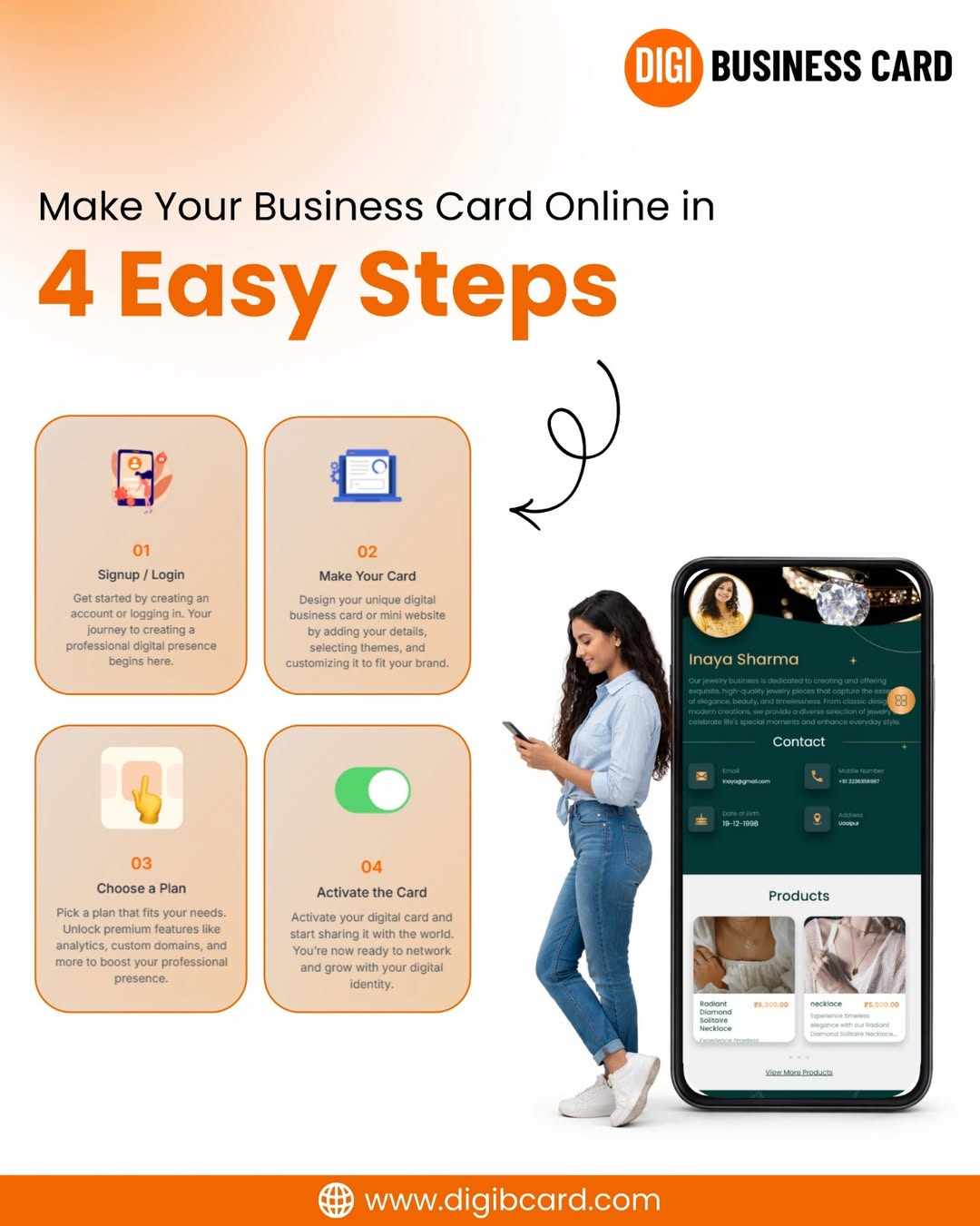
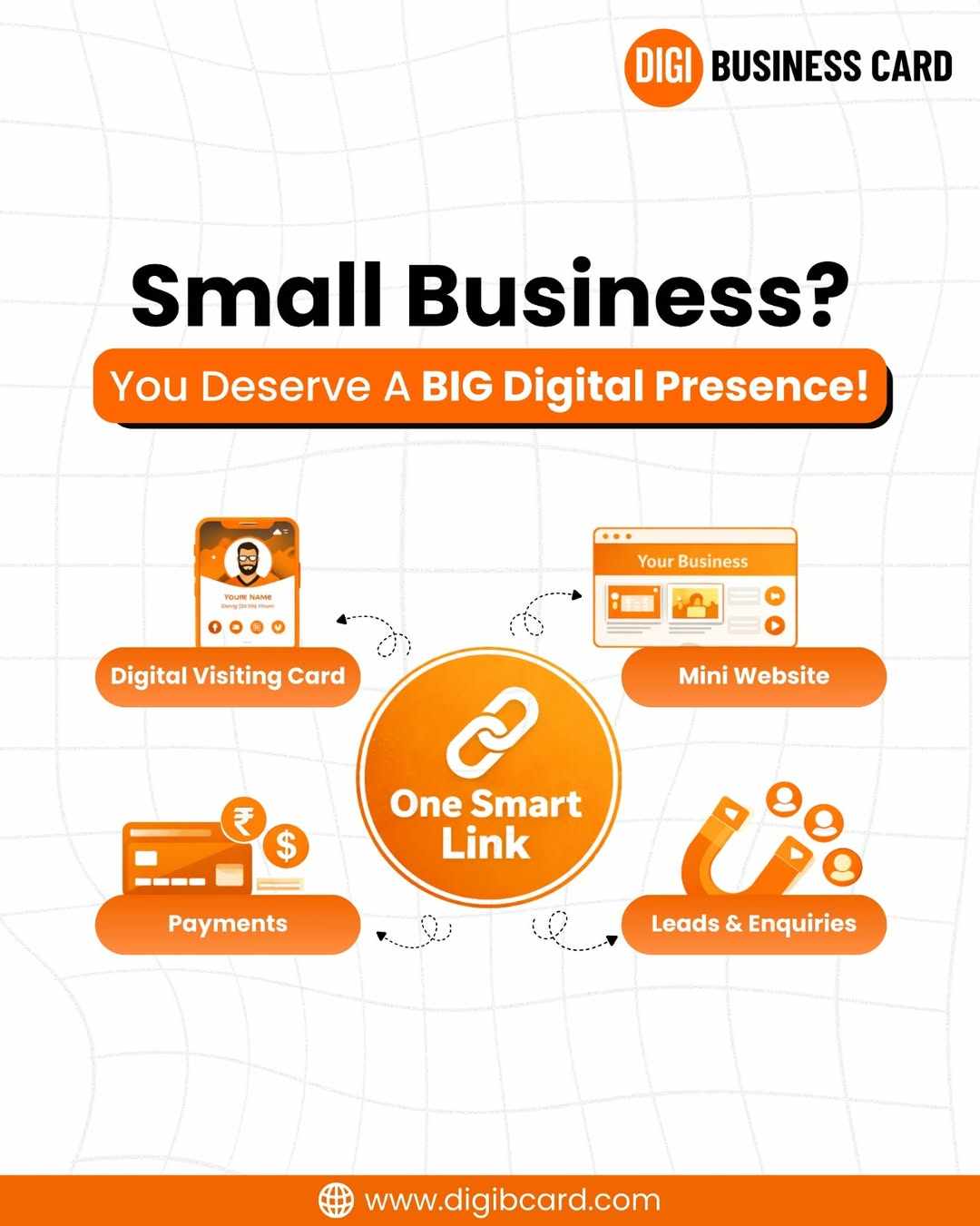
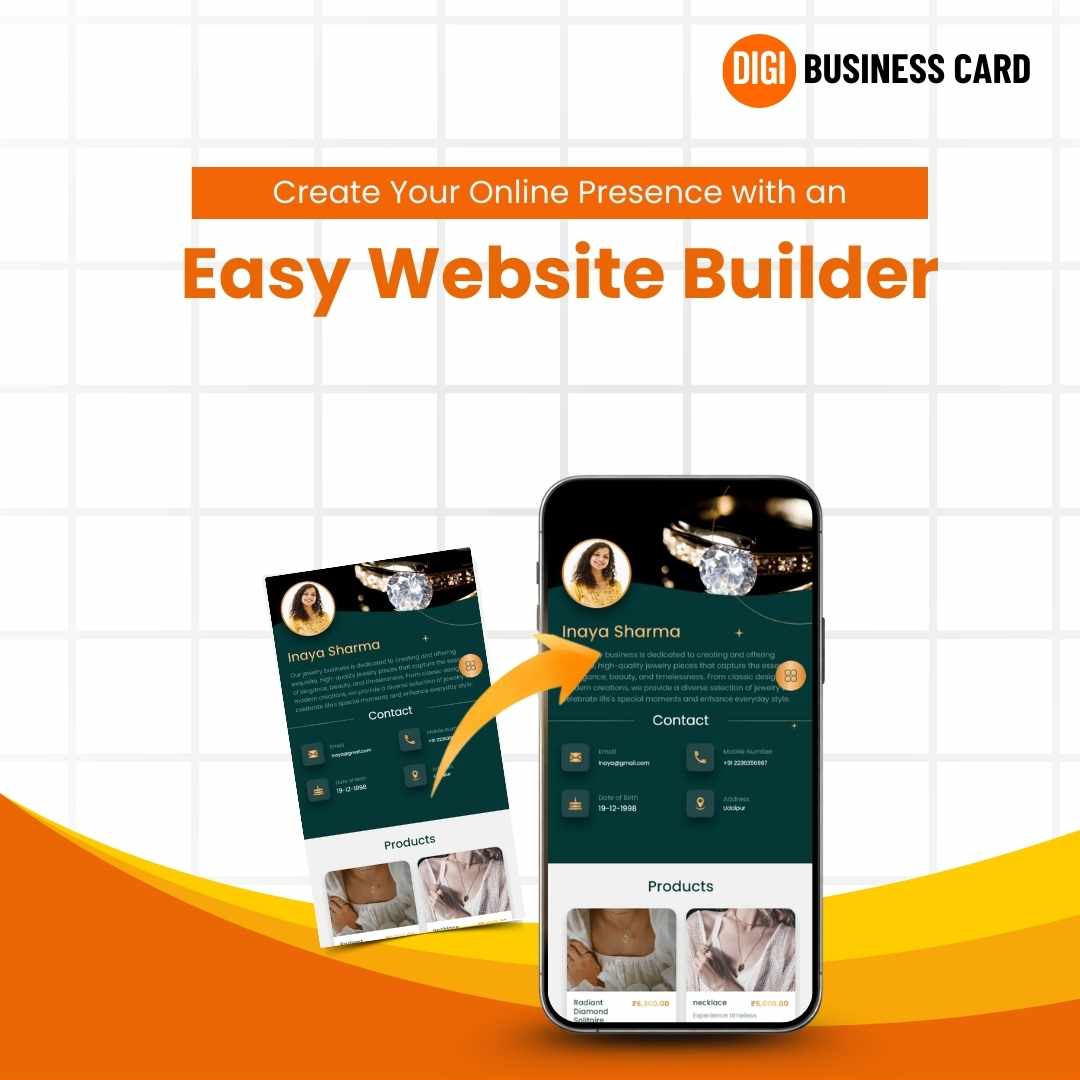
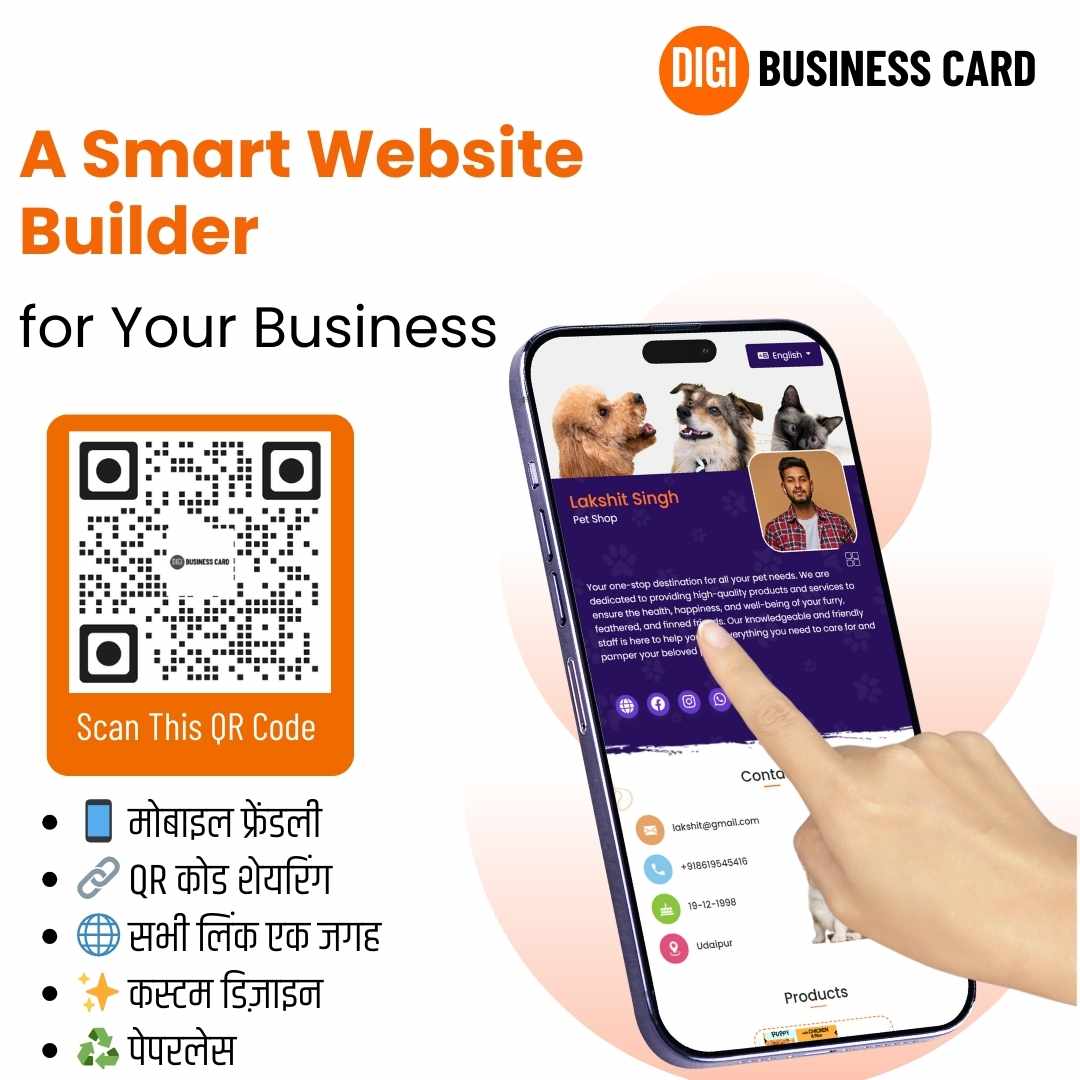
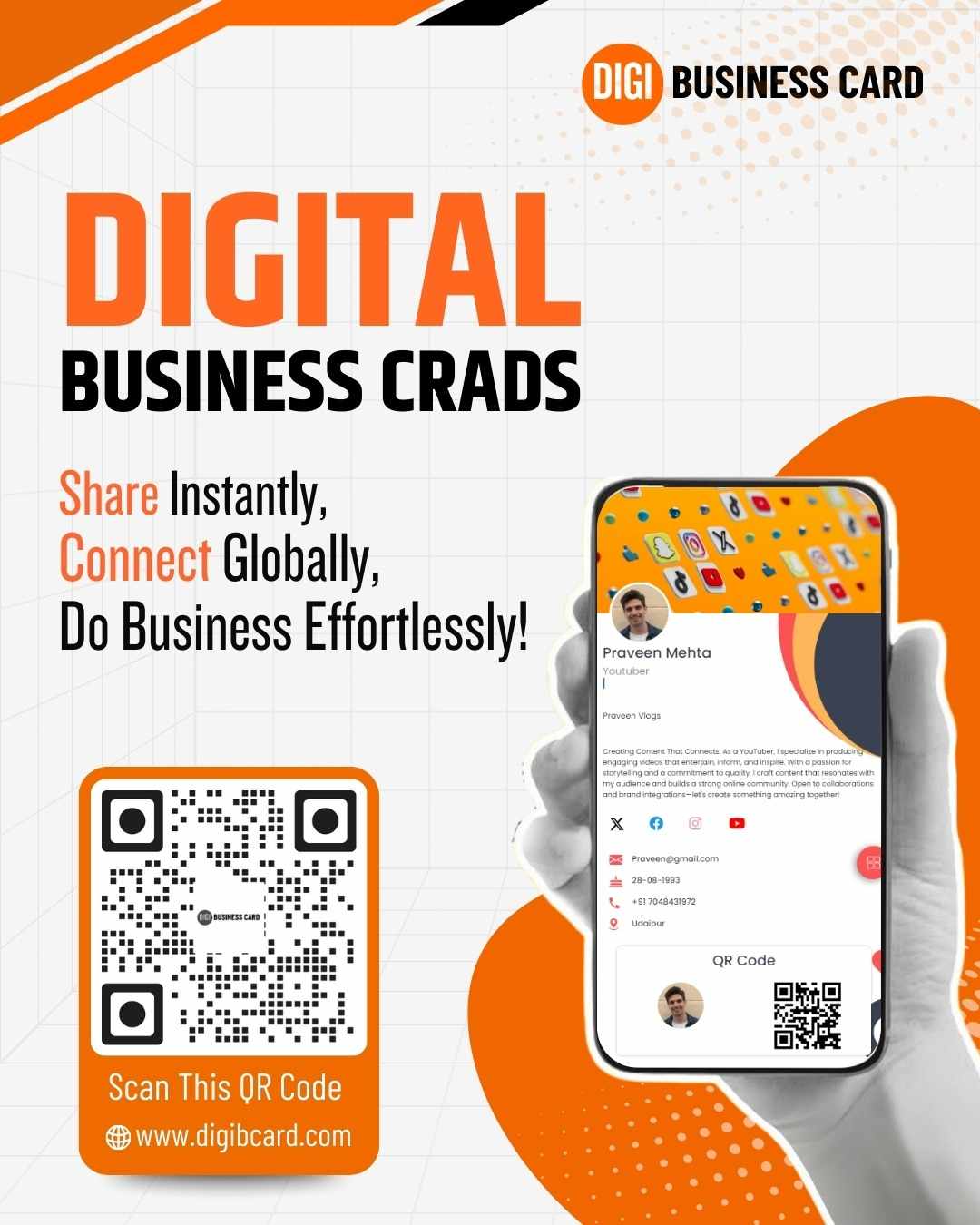
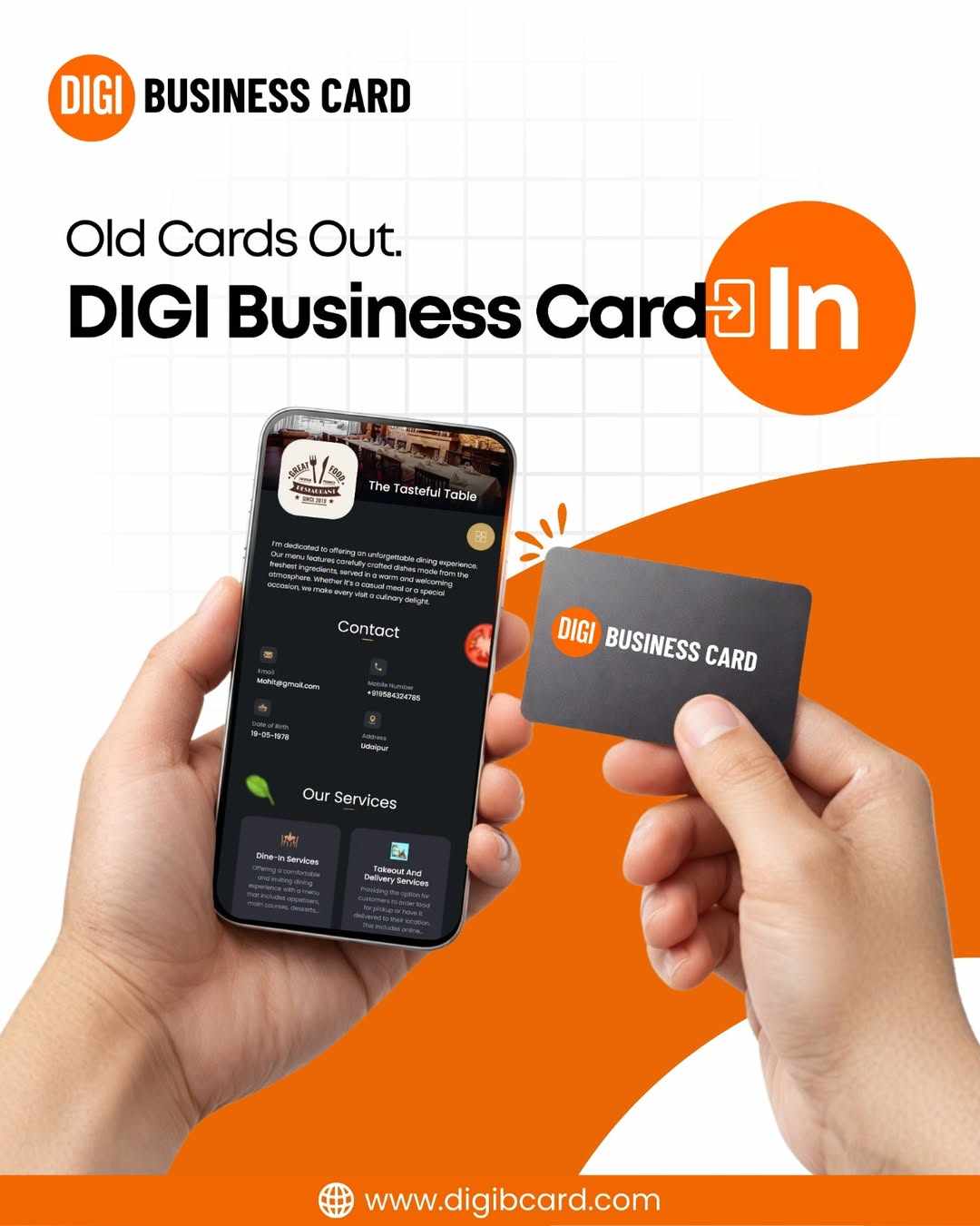
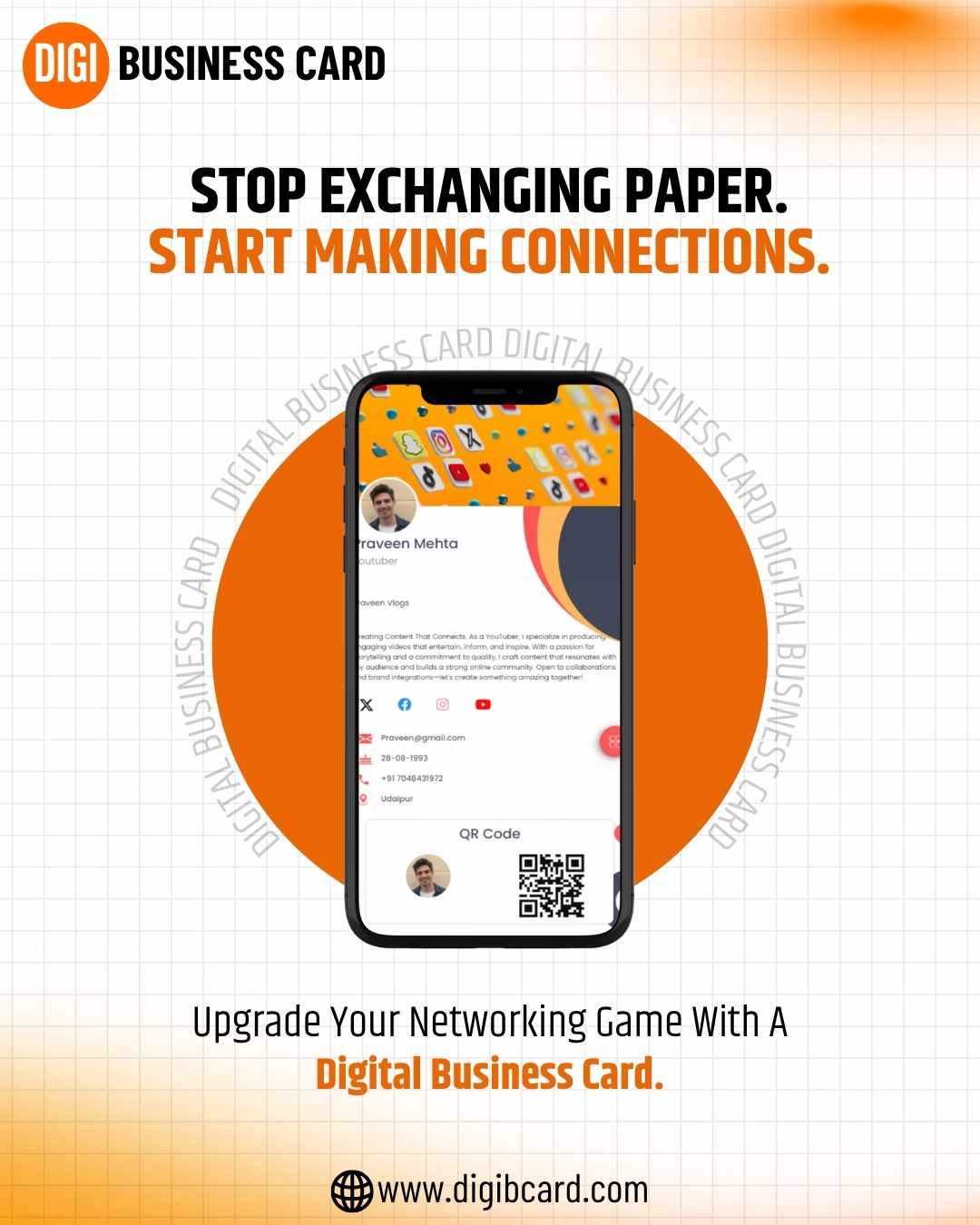
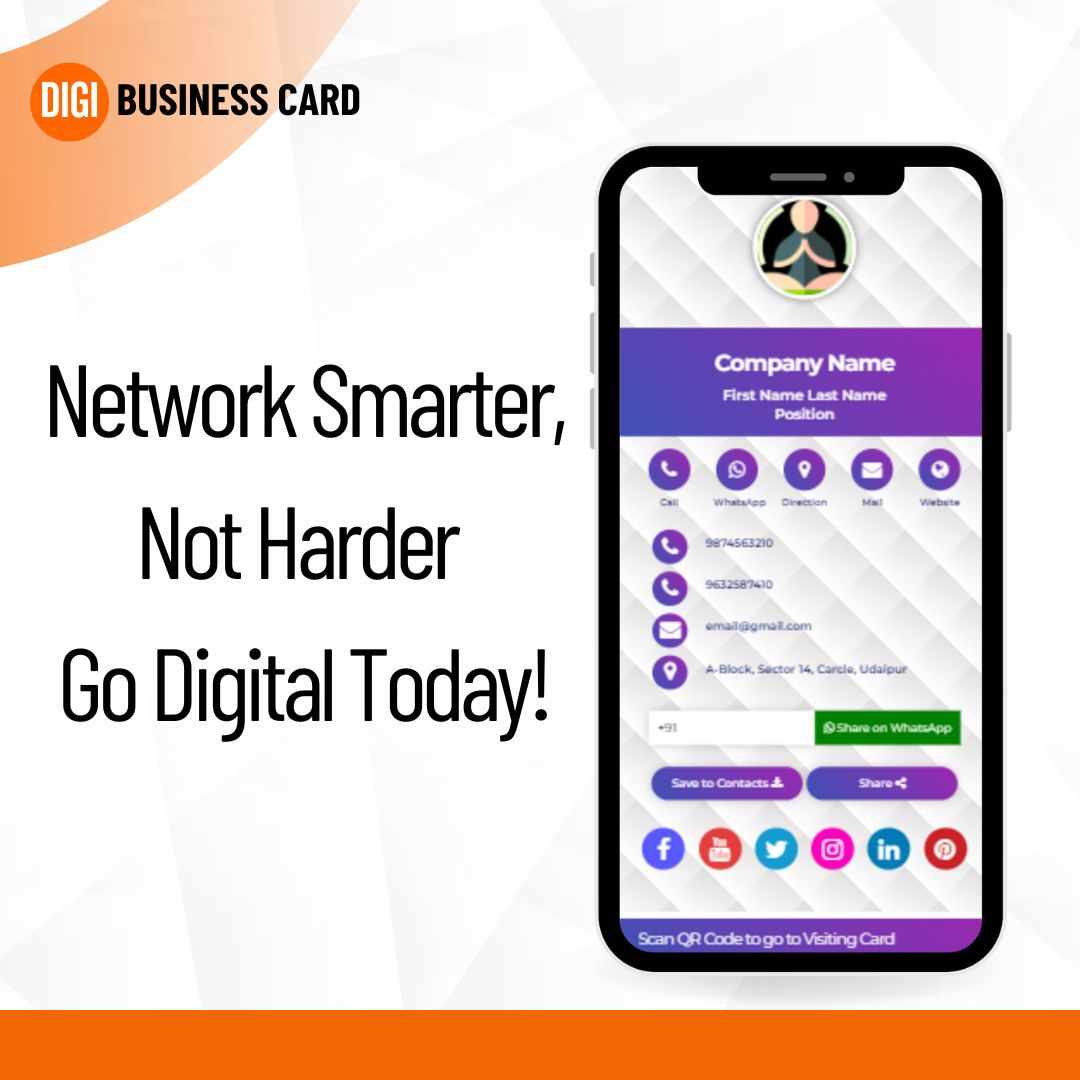
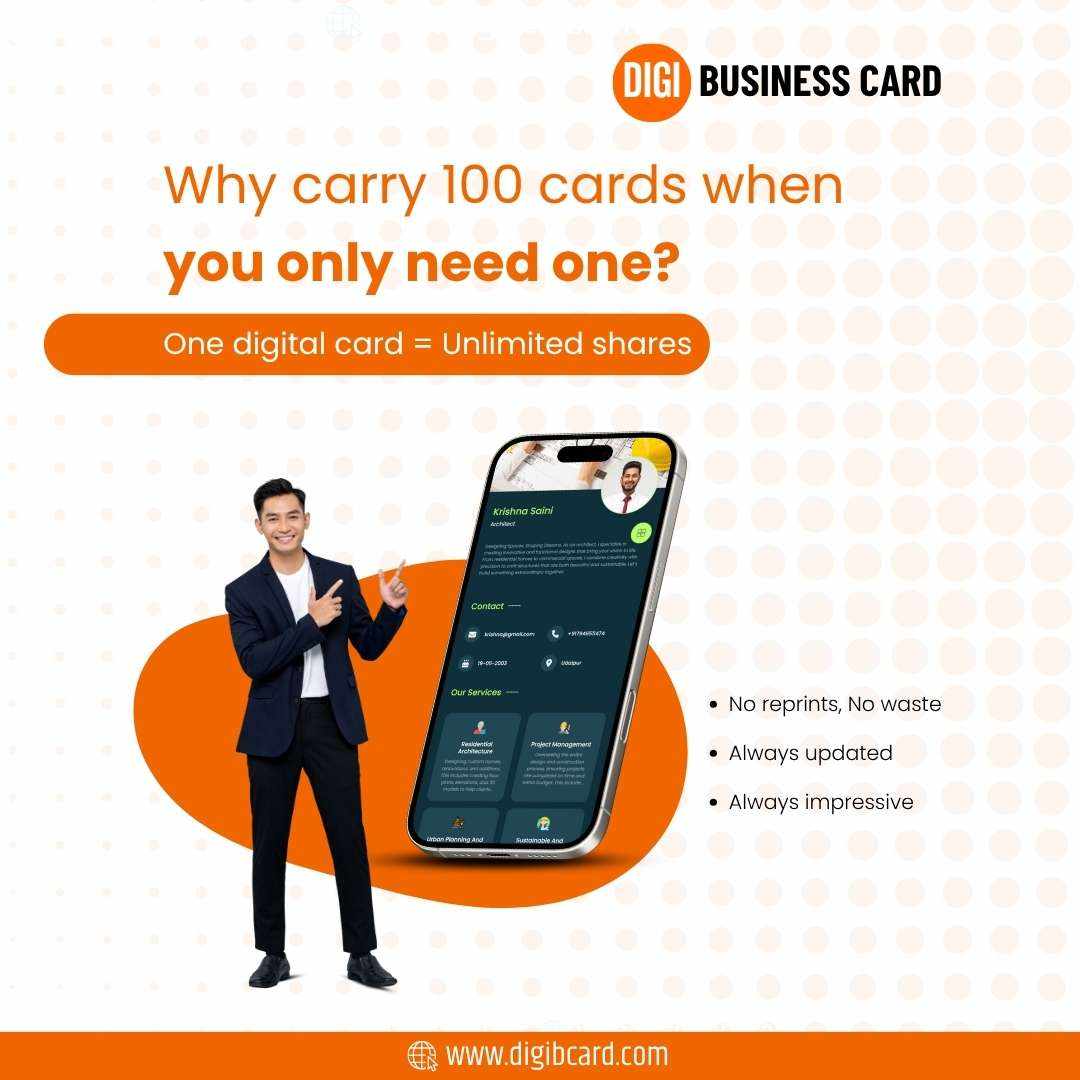
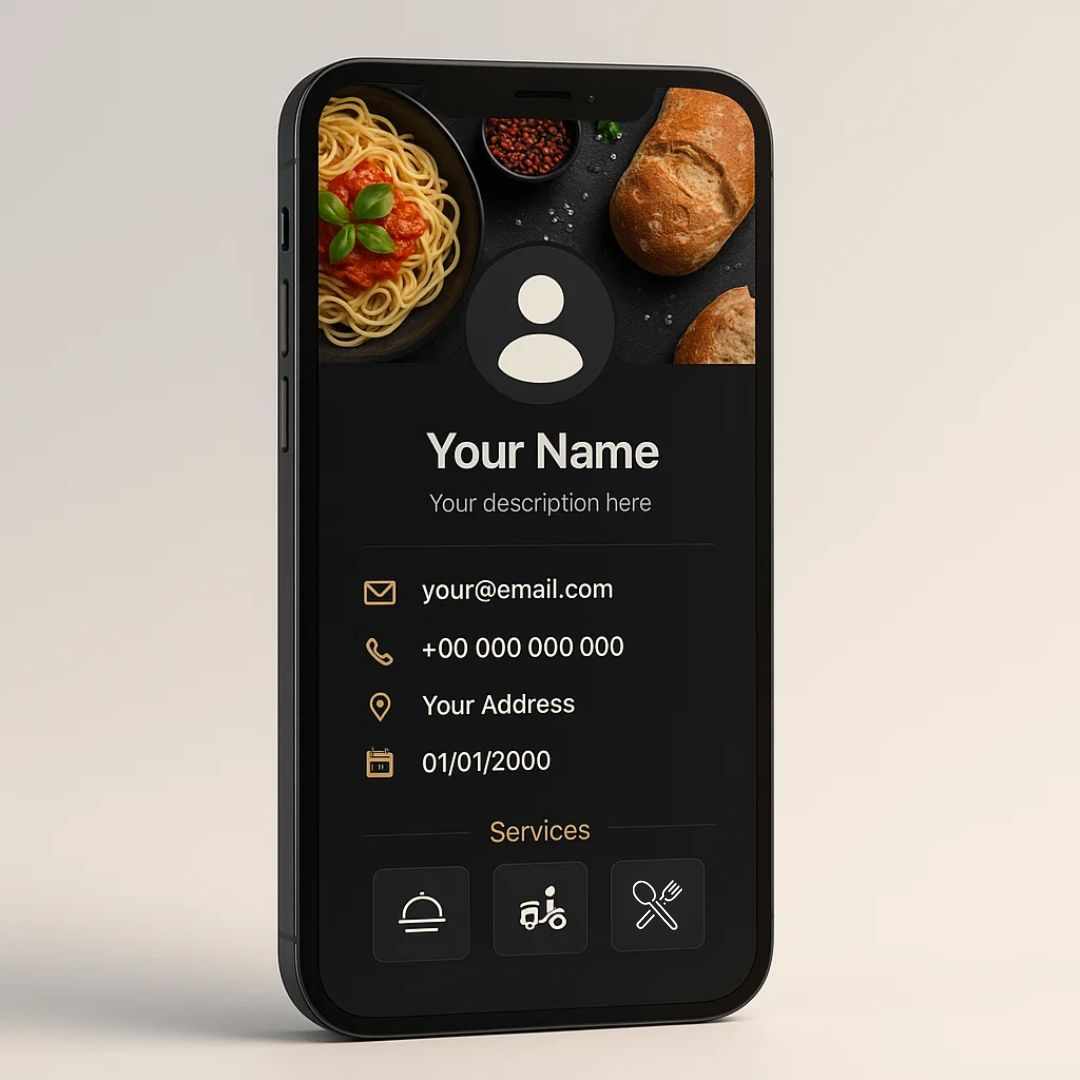
To understand how Smart Business Cards are applied in real-world professional networking, platforms like DigiBCard offer a practical example of how structured contact sharing can support long-term business connections in a modern, mobile-first environment.









Write a comment ...